
Spiritual Rest
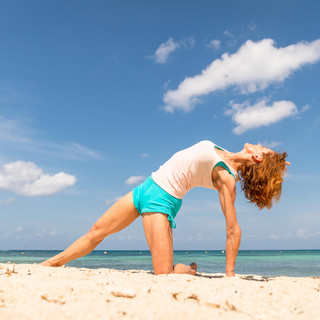

Hello, dear readers. If you are in the Austin, TX area, I hope you have been able to take a moment to appreciate the recent rain. Since today is Easter Sunday, it's a wonderful opportunity to reflect on something you are grateful for. I know this isn't always easy, especially when life seems to bring difficult tasks or overwhelming interruptions—even in an otherwise full and fruitful existence. Whether you are feeling grateful, or perhaps a little bitter, anxious, or deeply troubled, please know that all of these emotions are perfectly normal at one time or another. Embracing this full range of emotions helps us truly enjoy those times when life feels perfectly in flow.
This weekend, I learned about different types of rest that are essential for healing the body. In the spirit of this special Sunday, I'd like to share the concept of “Spiritual Rest.” I invite you to keep an open heart as you read on. It is so easy for all of us to get caught up trying to “Keep up” with the constant cycle of news and social media in our world, and that striving can trigger a certain tension in our nervous system. Like any part of us, an overactive nervous system needs quiet time and balance to remain healthy and whole.
This concept is shared by Dr. Saundra Dalton-Smith, an author and board-certified internal medicine physician. Dr. Dalton-Smith has an active medical practice in Alabama (near the Birmingham area), and she has also taught courses on health, nutrition, and disease progression as an adjunct faculty member at Baker College and Davenport University in Michigan. She observes that we are often inclined to worry about so much around us. We may feel fearful from following political developments or find ourselves avoiding social situations due to a fear of connecting with people who are different from us.
She beautifully defines spiritual rest: “Spiritual rest is the type of rest that allows us to really connect to something bigger than ourselves.” By looking beyond our own individual worries and experiences, we can release the anxieties and tensions that can creep in when we focus too much on ourselves. This is important because every person has a deep, human need for belonging, acceptance, and a feeling of contribution. As she explains, for some, this connection is found in a faith-based mindset, while others find spiritual rest through volunteering or supporting causes they care about deeply.
However we choose to find this kind of rest, giving our nervous system a chance to pause is vital. That pause helps reduce our cortisol levels, which in turn reduces inflammation in the body. As you likely know, chronic inflammation can greatly reduce our overall quality of life.
Good news for highly active people
You absolutely do not need to take a nap or a "siesta" to rest your body and mind! Simply spending time in a deep stretch or a gentle restorative yoga class can achieve the same wonderful benefits. Many people also find that active exercise like hiking, running, or biking can actually produce a calm mind and body. Even simple, rewarding activities like mowing the grass or tending to your garden can be restful and extremely satisfying. Seeing the immediate results of your own labor is highly gratifying and releases those feel-good endorphins just as much as an intense workout.
A Gentle Look at Modern Habits
One modern habit that can drain our well-being is the constant pull to check our phones. Do you ever feel a strong urge to routinely check social media posts? Or feel like you must read every single breaking news item? It’s worth asking ourselves: Is absorbing this much information truly helping us feel brighter, or is it simply overloading our nervous system with too much stimulus? Let’s consider trying to give ourselves one day off a week from T.V. or social media. Perhaps this suggestion makes you feel a little nervous—that is totally understandable! Even as I write this, my own phone continues to beep randomly. While sometimes it is a genuinely sweet message from a friend or family member, too often I am simply notified when someone on a group thread sends an emoji—a thumbs up, a heart, or a few exclamation points. This small, constant stimulation makes my own nervous system go up and down like an ocean wave. So, my challenge to myself this evening is to visualize the ocean on a calm, quiet day—no ripples in sight. And in doing so, my nervous system will rest.



Comments